Home > Destinations
Destinations
Where will LincsBus take you?
Choose beautiful countryside or coastal landscapes, historic market towns or the vibrant city.

More to Explore
Discover the hidden gems of Lincolnshire with Lincsbus, offering convenient routes to the county’s best destinations.

Get Out and into Nature!
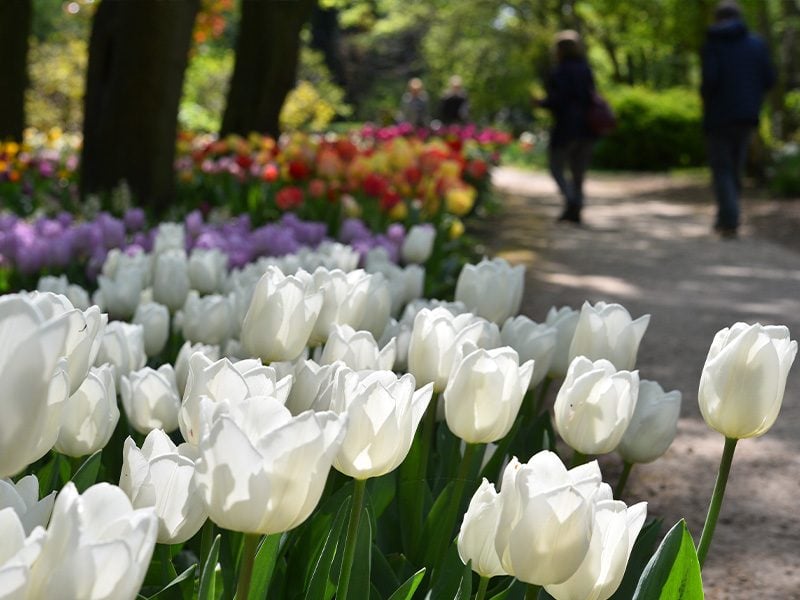
Calmness of the Countryside
Travel to great places for less by using the bus
Single fares on some services are capped at a wallet-friendly £3. Whether you’re commuting to work, meeting friends, or exploring the city, our capped single ride fare of £3 provides you with a budget-friendly solution that doesn’t compromise on quality or reliability.
On the Hunt for Heritage?
Discover some of Lincolnshire’s most iconic historical attractions and destinations with regular bus services to keep you connected to the past.
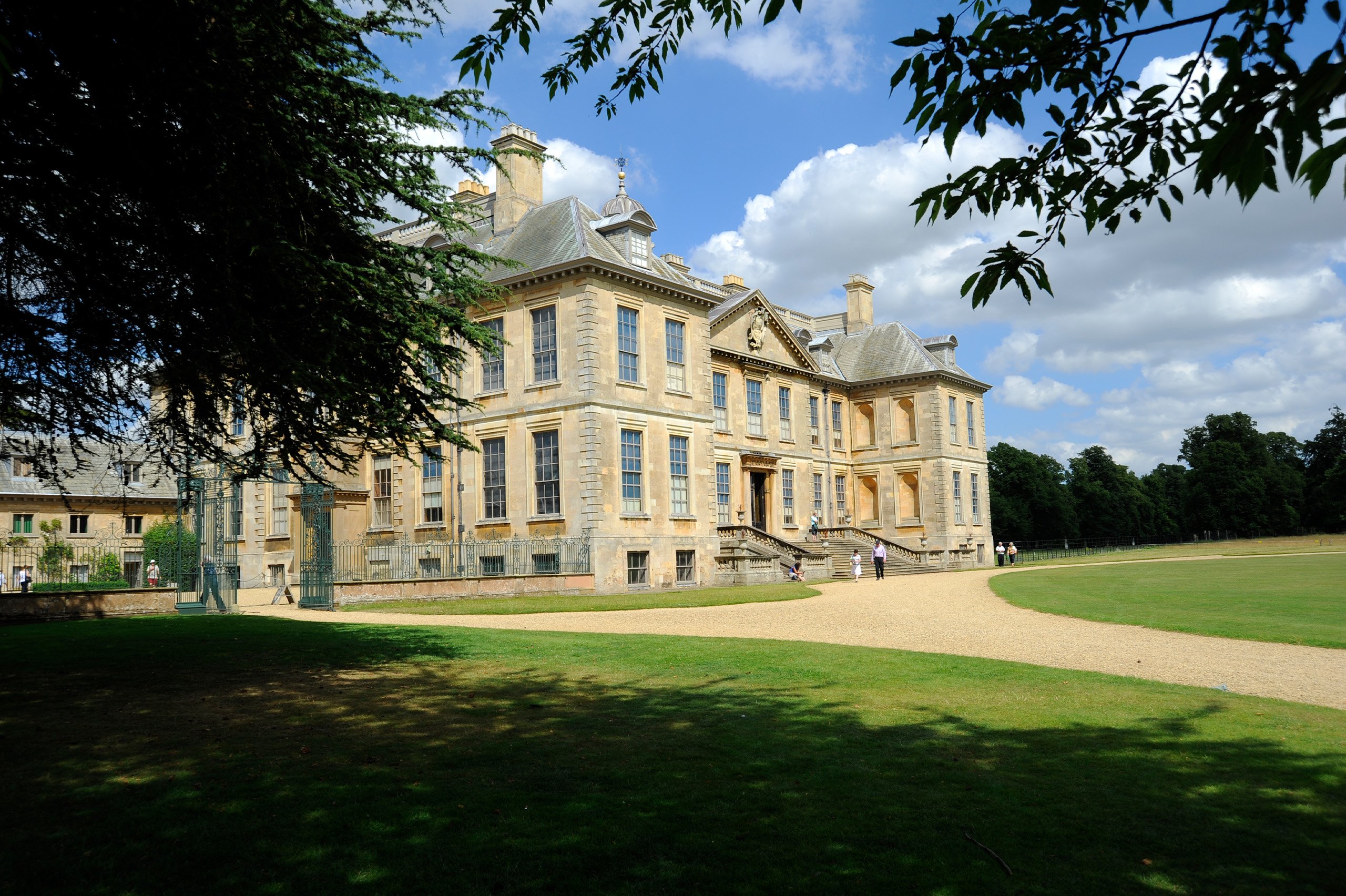
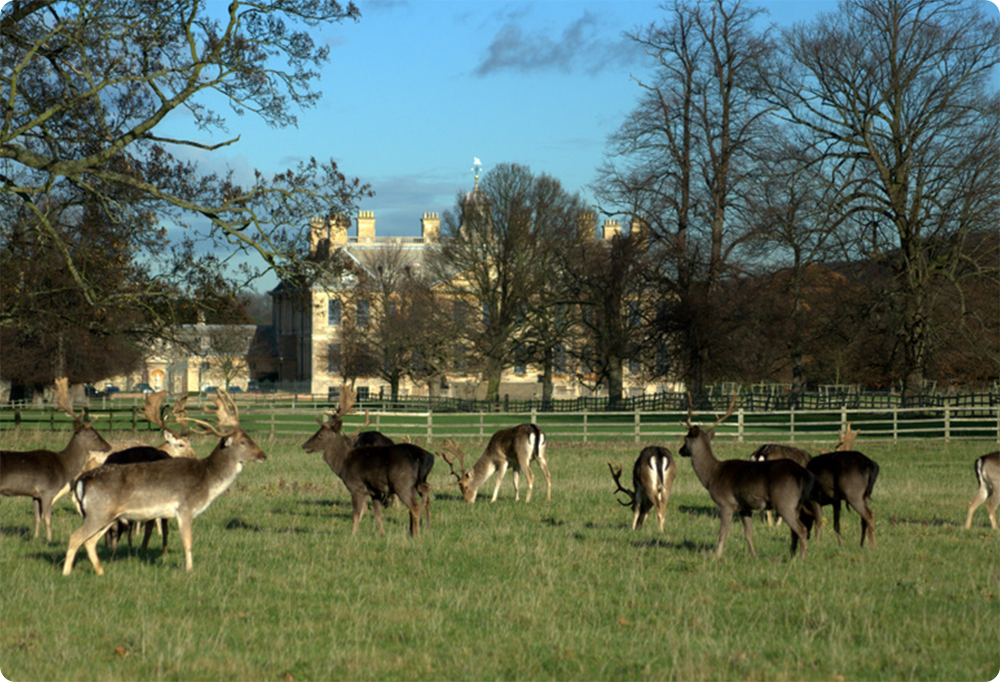
Visit Belton House on the Stagecoach 1 between Lincoln and Grantham or the Centrebus 27 between Sleaford and Grantham.
Catch the bus to Burghley House in Stamford on the Delaine 201/ 202 between Bourne and Peterborough.
Walk and Explore
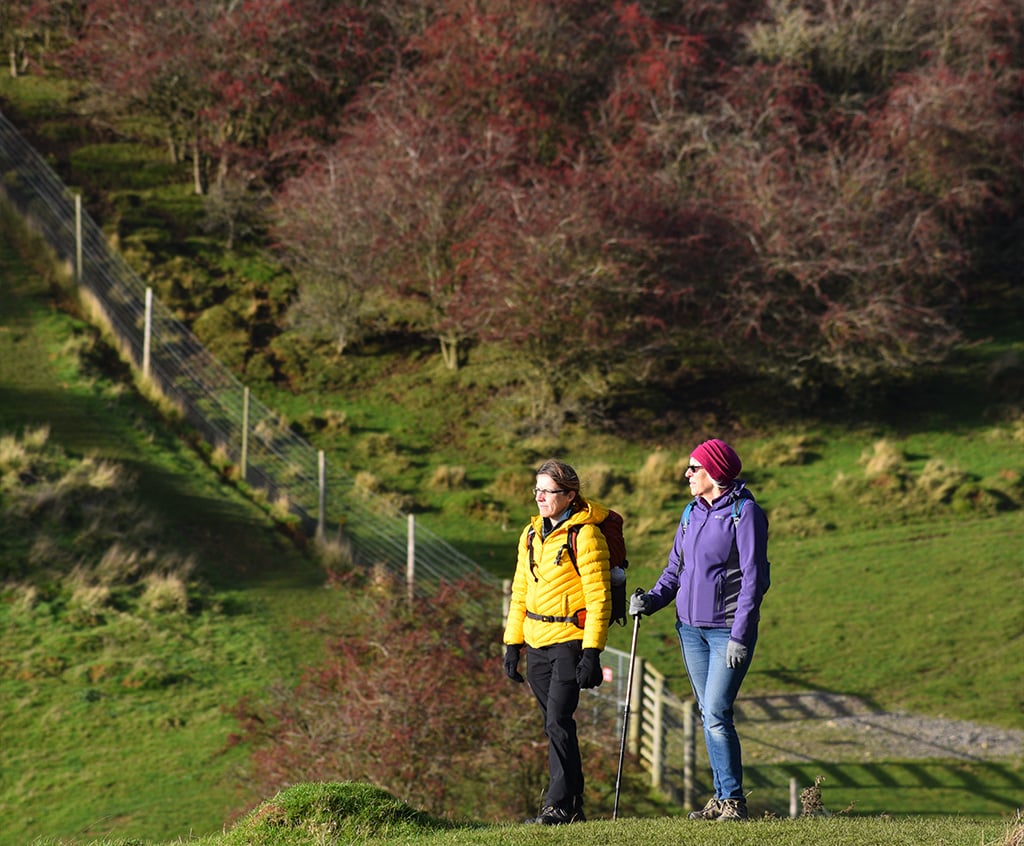
Whether you’re exploring the scenic Wolds, wandering through historic market towns, or enjoying coastal paths with breathtaking sea views, our buses offer a convenient and eco-friendly way to reach these picturesque trails. Let Lincsbus be your gateway to the great outdoors, making it easy to experience the natural beauty and tranquility that Lincolnshire has to offer.
Explore the first stretch of the new King Charles III England Coast Path between Skegness and Mablethorpe which is 16 miles long. Catch the Stagecoach 59 bus in Skegness, hop off the bus at a destination suitable for you and walk the coastline back to the Town.
Explore The Viking Way which is 149 miles long, a walking route through Lincolnshire, Leicestershire and Rutland. There are so many bus services that cross paths with this countryside walk, starting at the Humber Bridge, through to the Lincolnshire Wolds, walking Towns, villages and countryside all the way to Oakham.
Find your walking route and use our journey planner to get there – Walking – Visit Lincolnshire.
Inspiration for your Itinerary
Looking for inspiration for a great day out for all the family?
There are plenty of great attractions and locations accessible by bus. Here are a selection of ideas and the services available to reach them.
North Sea Observatory, Chapel St Leonards – Stagecoach 59 Skegness to Mablethorpe, Hunts 7 Skegness to Alford and Stagecoach 1 Skegness to chapel St Leonards.
Batemans Brewery, Wainfleet All Saints – Stagecoach 57 Boston to Skegness and Brylaine B7 Boston to Skegness.
Springfields, Spalding – Stagecoach IC505 Spalding to Kings Lynn, Stagecoach 37 Spalding to Peterborough, Delaine 301/302 Spalding to Stamford, Brylaine B3/B3X Boston to Spalding and Black Cat Travel IT2 Spalding Town
Enjoy Activities for all the Family
Relax and Enjoy the Ride
Shopping
- Boston
- Bourne
- Caistor
- Gainsborough
- Grantham
- Horncastle
- Kesteven & Newark (Notts)
- Lincoln
- Louth
- Mablethorpe
- Market Rasen
- Newark
- Skegness
- Sleaford
- Spalding
- Spilsby
- Stamford
- Woodhall Spa
Boston
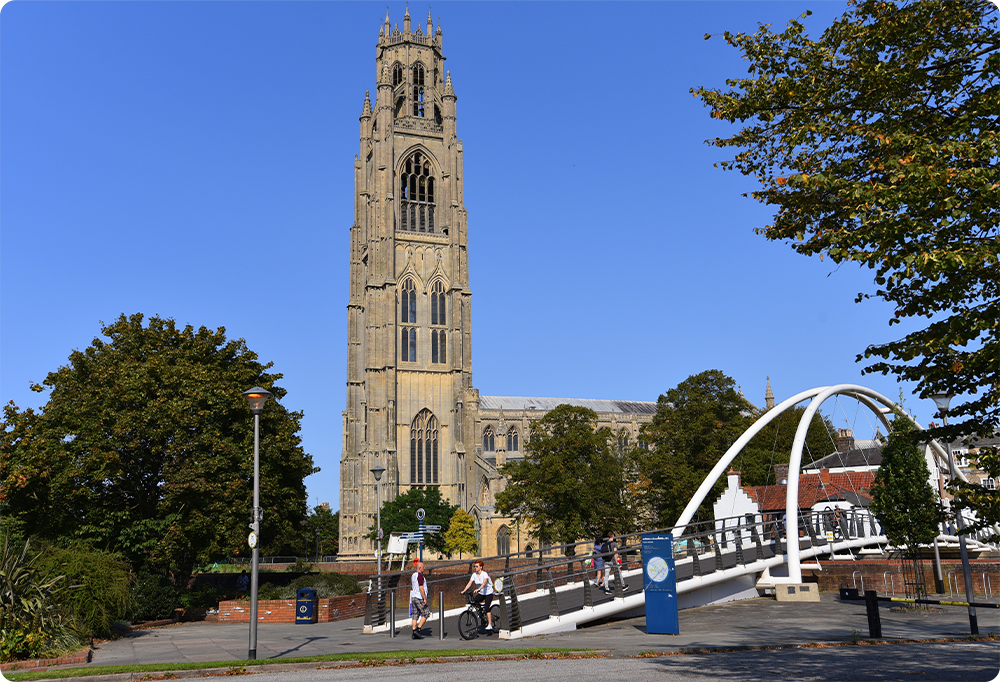
Boston is a busy, thriving market town with a small port close to the east coast of Lincolnshire. With both the A16 and A52 running through the town, it makes it an ideal location for easy access to Lincolnshire’s coastline and communities.
Boston has a good public transport network including bus services to neighbouring towns such as Lincoln, Skegness and Spalding. In addition to road connections, Boston offers rail connectivity via the Nottingham-Grantham-Boston-Skegness line, known as the Poacher Line.
Boston’s most notable landmark is St Botolph’s Church, affectionately known as The Stump, which is also the largest parish church in England and visible for miles around from the flat lands of Lincolnshire. The town has a varied and complex history and was at the centre of a major religious upheaval when many people left England on the Mayflower and joined the Pilgrim Fathers to travel to the US. Settlers from Boston named several other settlements around the world after the town, most notably Boston, Massachusetts, in the United States.
Bourne
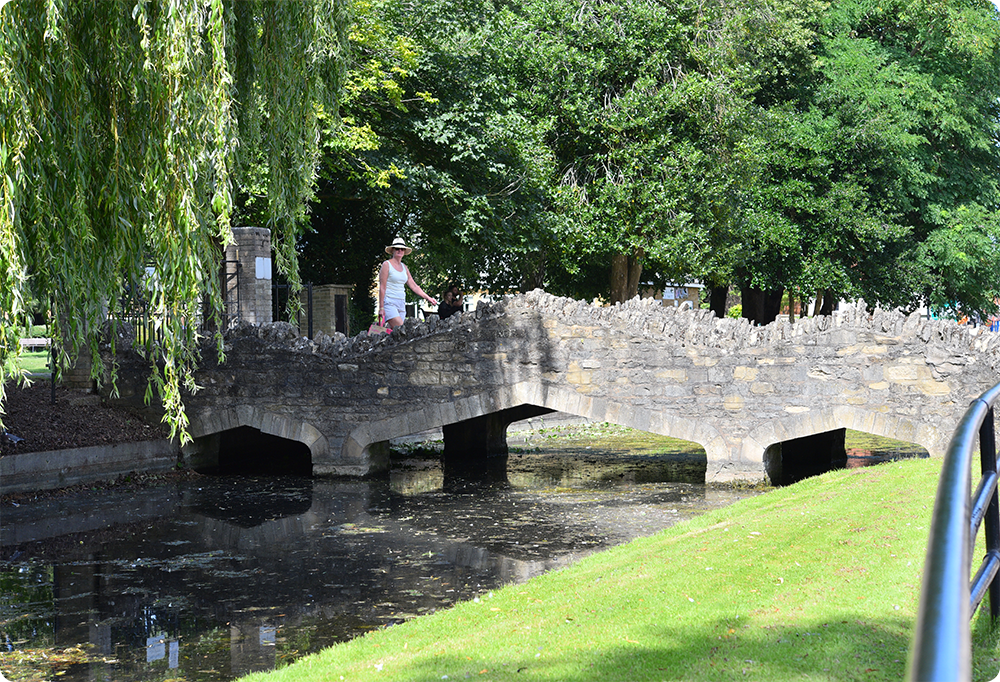
Bourne is an historic market town in the south of Lincolnshire and it is located on the intersection of two main roads: the A15 and the A151. Although Bourne doesn’t have a railway station, it does have a large bus station in the centre of the town with frequent public transport links to Peterborough, Stamford and Spalding, and in these locations rail connections are available. Bourne is surrounded by some of the most beautiful Lincolnshire fen villages, which it why it has become popular with young families.
For the past 80 years, Bourne has been noted in the field of motorsport under the names of Raymond Mays, ERA, BRM, the Hall Brothers and Pilbeam Racing Designs. The town’s large industrial estates are home to engineering and manufacturing companies. In addition to its motorsport heritage, one of the UK’s oldest family-run bus companies – Delaines – who still operate a large and modern fleet out of the town bus station, also run a dedicated museum and this is open to the public on Heritage Bus Day`s and from March to October on the second Saturday of each month.
Caistor
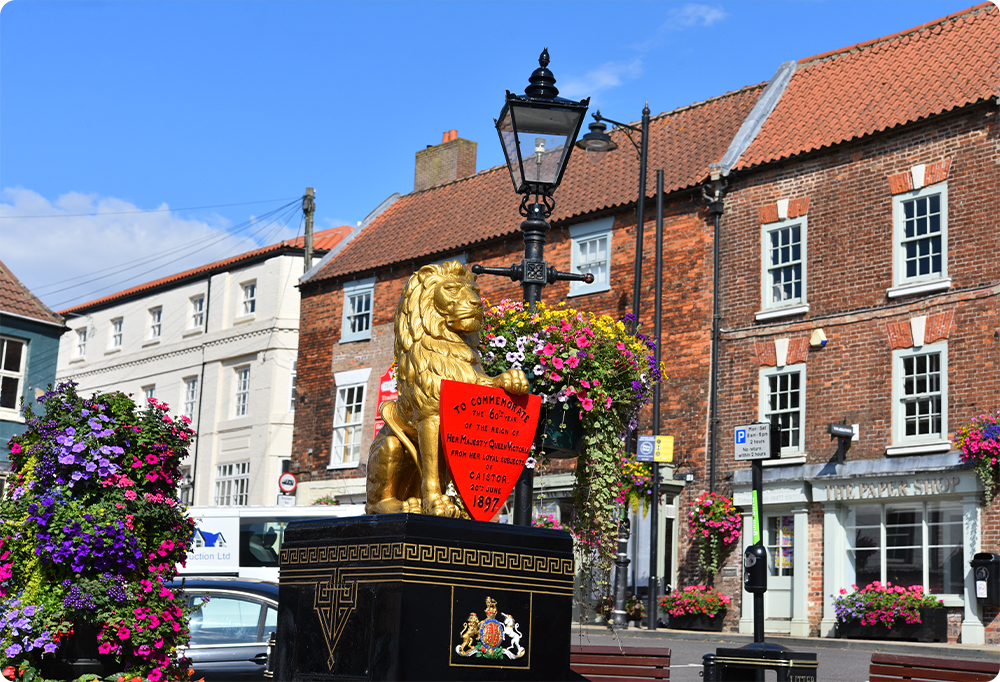
Caistor is a small market town in the north of Lincolnshire located on the edge of the Wolds. It is located close to the A46 for easy road access to the City of Lincoln and large fishing port of Grimsby. Local bus services offer onward travel to Market Rasen, Lincoln, Grimsby and Cleethorpes. Although Caistor doesn’t have a railway station, there are three railway stations in the neighbouring locations of Barnetby, Kirton-in-Lindsey and Market Rasen.
Caistor is popular with walkers, notably because the long distance walking route the Viking Way runs through the town. Markets are held on Saturdays in the historic market place nestled within the town centre where you can find 56 listed buildings. There are many pubs and restaurants as well as places of interest including Caistor Arts & Heritage Centre and a renovated Methodist Chapel. Nearby you can find the villages of Nettleton, with its ironstone mining history, and Grasby with its lovely All Saints Church. There are also many fishing lakes to explore including Claxby Fishery, Wold View Fishery and Caistor Lakes and Leisure Park.
Gainsborough
Gainsborough is a large and flourishing town in the north west of Lincolnshire situated alongside the River Trent. Surrounding Gainsborough you’ll find a wealth of picturesque villages set in beautiful countryside. The bus station is at the heart of the town offering regular connections to Scunthorpe and Lincoln. Gainsborough also has two railway stations and offers plenty of rail connectivity to Doncaster, Sheffield, Retford, Brigg, Grimsby, Cleethorpes and Lincoln. These transport links are popular with both residents and visitors.
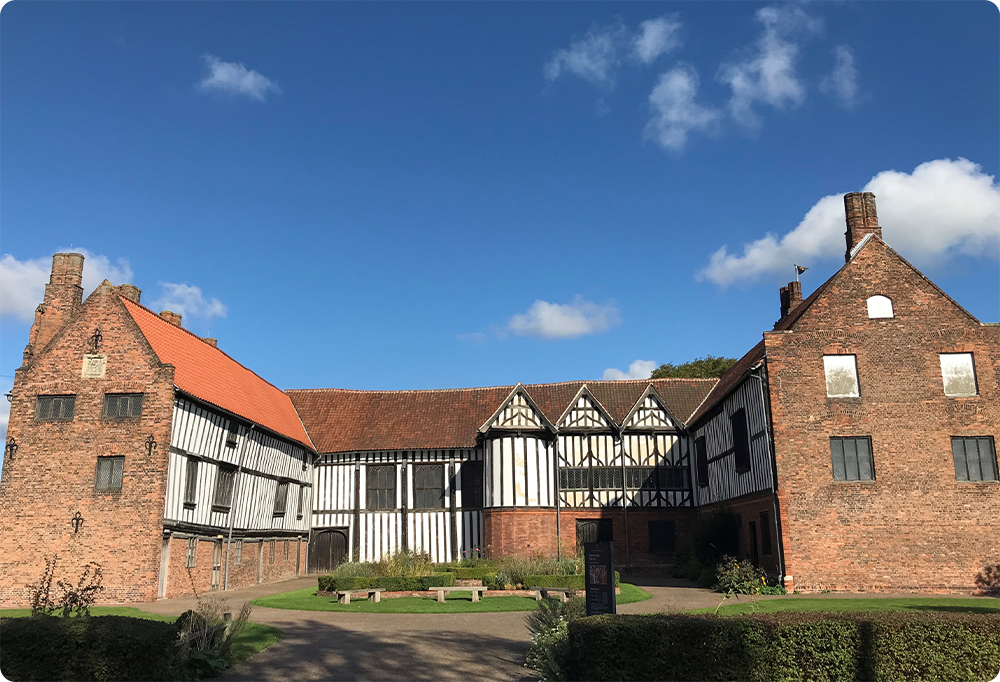
In addition to Gainsborough’s transport links, it has a rich and proud history dating back to its inclusion in the Domesday Book. Legend has it that King Canute unsuccessfully attempted to turn back the bore on the River Trent. The most prominent historic building is Gainsborough Old Hall, a 15th century manor house dating from medieval times, often cited as one of the best preserved timber-framed manor houses in the UK. More of the town’s history can be discovered through fascinating exhibitions at Gainsborough Heritage Centre. For shoppers, the thriving markets are held in the town centre and, in the award winning shopping centre, Marshall’s Yard, there is a regular Farmers’ Market.
Grantham
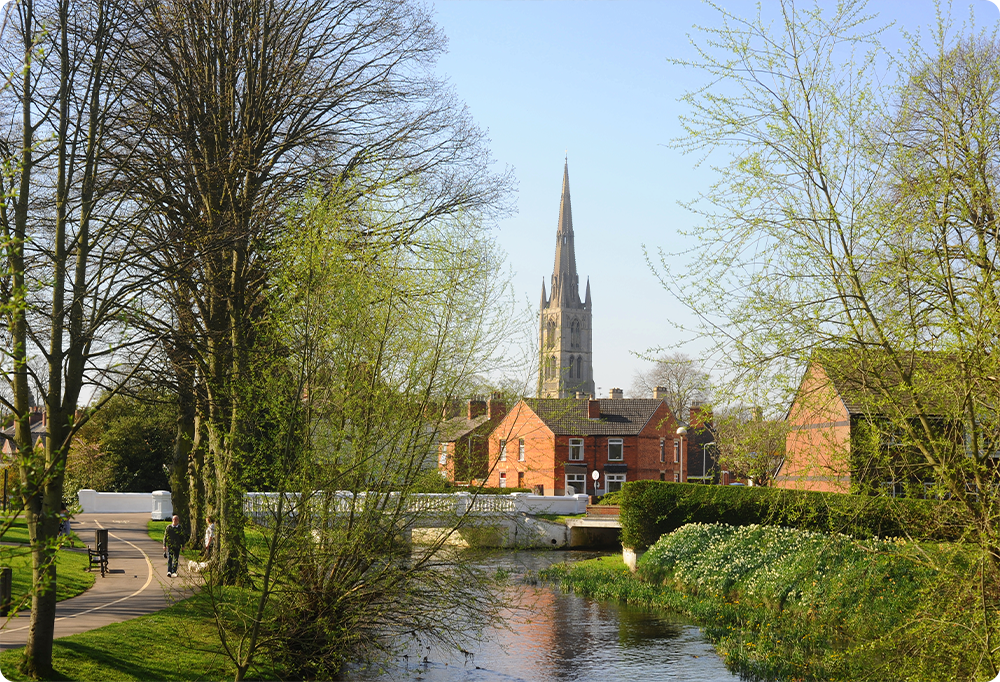
Grantham is a large town in the south of Lincolnshire. It is located close to the A1 north-south trunk road and the east-west A52 runs through the town. Grantham has a good public transport network including bus services to neighbouring towns such as Lincoln, Stamford and Sleaford.
In addition to road connections, Grantham has plenty of rail connectivity with the London-Edinburgh East Coast mainline and the Nottingham-Boston-Skegness PoacherLine, stopping at and running through the town. These transport links offer those living in the area fantastic connectivity to London, Nottingham, Sleaford, Lincoln, Stamford and many more locations.
In addition to a wealth of transport options, Grantham has a rich and proud history dating back to its inclusion in the Domesday Book. As the birthplace of Sir Isaac Newton it celebrates with festivals and heritage events such as Apple Day to recognise his invaluable contribution to the world of science.
Horncastle
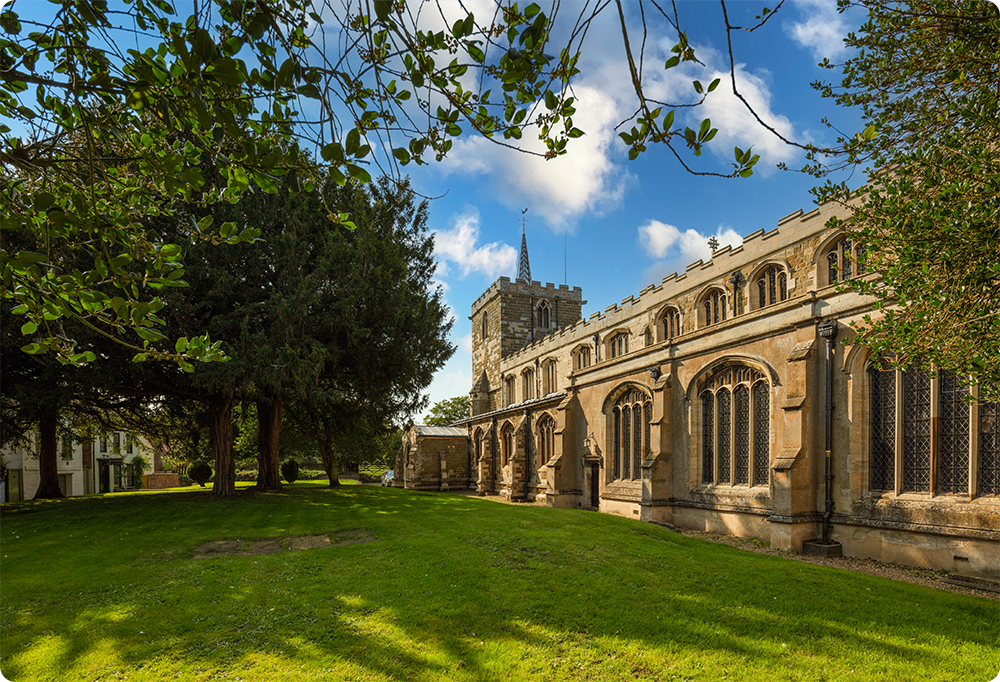
Horncastle is a market town full of character, located in the heart of the stunning Lincolnshire Wolds and sitting between the River Bain and River Waring. The A158 runs through the town, providing a regular bus service between Lincoln and Skegness. It was in Horncastle that the Callconnect service launched in 2001, putting it at the forefront of on-demand bus services.
Horncastle, specialising in antiques, is steeped in heritage and history dating back to its inclusion in the Domesday Book of 1086 when the town was claimed to be owned by King William. The remains of the town’s Roman wall can still be found in the library, and the cobbled streets and thatched houses have strong connections with the Lincolnshire rebellion of 1532 against the policies of King Henry VIII and the English Civil War. Horncastle’s most famous son is one of the world’s most famous botanists and explorers, Sir Joseph Banks, who travelled the world with Captain Cook and was advisor to King George III on the Royal Botanic Gardens at Kew. He is credited with bringing 30,000 plant specimens home with him.
Kesteven & Newark (Notts)
Newark is a large, historic market town situated in Nottinghamshire but close to many Lincolnshire villages whose residents access the town for essential services. It is located close to the A1 north-south trunk road and the A46 bypasses the town, one of the reasons it is a popular base for commuters.
Newark offers a regular bus service to Lincoln. In addition to road connections, Newark has plenty of rail connectivity with two train stations: Newark Northgate with the London-Edinburgh East Coast mainline and Newark Castle with connections to Nottingham and Lincoln.
In addition to a wealth of transport options, Newark has a long and interesting history dating back to its inclusion in the Domesday Book. The town, located beside the River Trent, grew around Newark Castle and has a large market place and many historic buildings. The town has established Wednesday and Saturday markets which were established around 1156. The prime industries in Newark in the last hundred years have been the manufacture of clothing, bearings, pumps, agricultural machinery and pine furniture, and the refining of sugar. British Sugar still has one of its sugar beet processing factories to the north of the town.
Lincoln
Lincoln and the north of the city are both historic, bustling and just minutes away from picturesque villages and hamlets. Lincoln is a university city and the capital of the county. The city is at the centre of Lincolnshire’s inter-urban and InterConnect bus routes and has a network of frequent city bus services. As well as a new and easily accessible bus station, the city has a historic and beautifully restored railway station with direct routes to London, Sleaford, Gainsborough, Market Rasen, Newark, Nottingham and Spalding, to name a few.
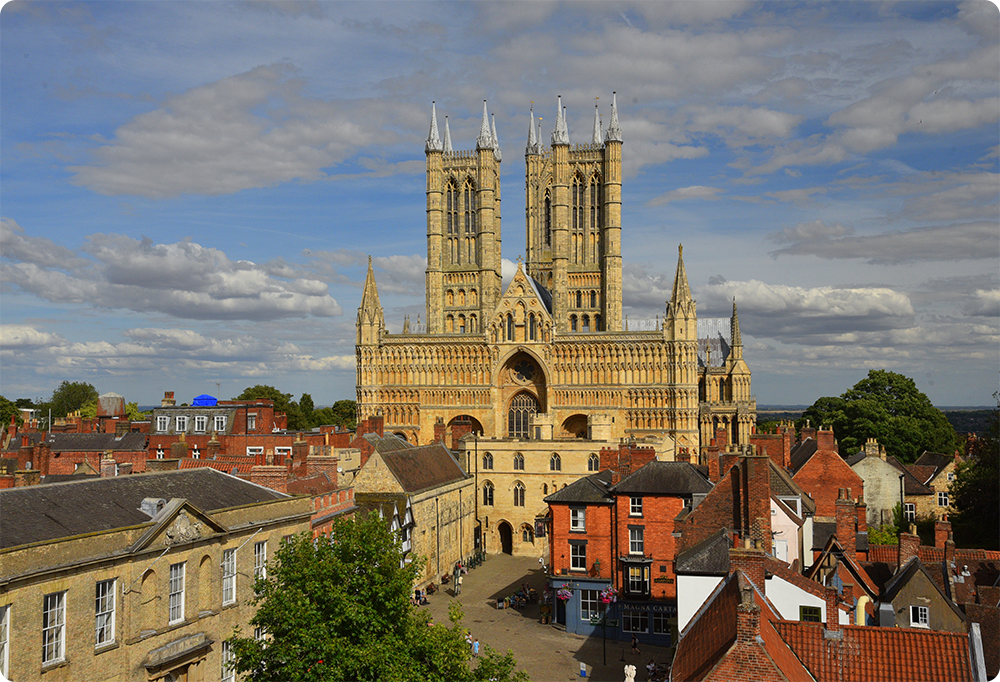
Uphill Lincoln is home to Lincoln Cathedral and Lincoln Castle, both internationally important historical buildings. Often named as one of the best places to live and visit in the UK, it’s easy to understand why when you visit one of the many beautifully preserved historic landmarks. The city is also home to many important buildings and objects such as the Magna Carta, International Bomber Command Centre, Newport Arch, and the Lincolnshire Life Museum which celebrates the city’s pioneering engineers who developed the first tank.
Louth
Louth is a beautiful and thriving market town and is the gateway to the Wolds. With the A16 bypass skirting the town it has easy access to the Lincolnshire Coastline, Boston and North East Lincolnshire. Louth’s busy bus station on Church Street is the main transport hub with many bus companies operating services throughout the district, connecting you to Grimsby, Mablethorpe, Horncastle and the Louth town service. The nearest train station is in Market Rasen.
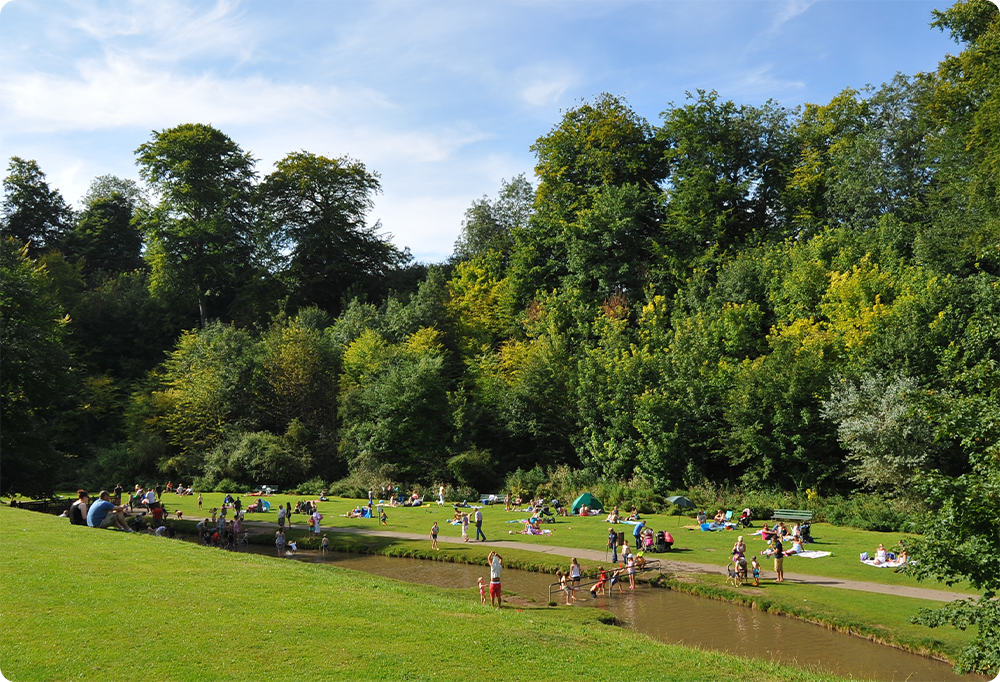
In addition to its location in an area of outstanding natural beauty and having some of Lincolnshire’s most stunning Georgian and Victorian buildings, Louth is also known for its bustling weekly markets. Visitors can also sample and buy some of Lincolnshire’s finest produce at Louth’s butchers, bakers, fishmongers, greengrocers and cheese shops. Whether you have a passion for shopping or an interest in history, Louth offers an array of attractions and activities from the stunning St James’ Church, sporting the tallest parish spire in the country, to a walk in Hubbard’s Hills, a steep-sided chalk valley with both natural beauty and sculptures.
Mablethorpe
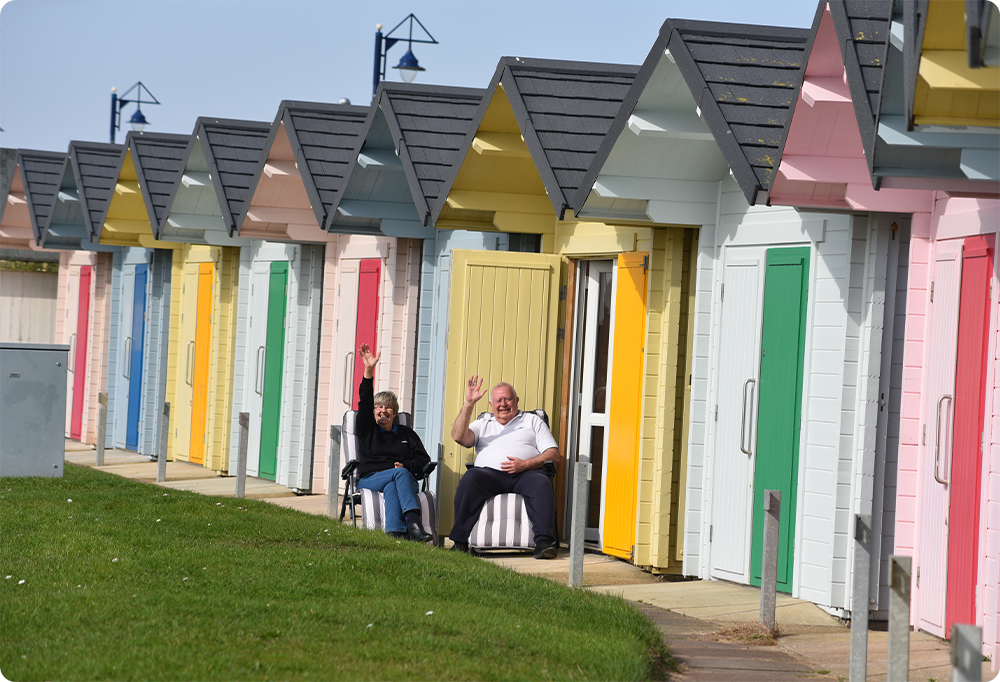
Mablethorpe is a traditional seaside holiday resort on the Lincolnshire coast with Blue Flag award-winning sandy beaches. Safe and friendly, it is perfect for a family holiday and just as popular with more mature visitors.
The warm and welcoming seaside town is renowned for its golden sandy shore, and is also a close neighbour to the large and popular village of Sutton-on-Sea, both being in the East Lindsey district of the county. Road access to these popular seaside locations is via the scenic routes of the A158, A16 and A52.
Mablethorpe has excellent bus service connections with Skegness, Louth, Alford, Spilsby, Sutton on Sea, Chapel St Leonards and Boston.
Mablethorpe offers plenty to see and do for all tastes and ages. Attractions include The Mablethorpe Seal Sanctuary and Wildlife Centre, the Lincolnshire Aquapark, The Dunes Entertainment Complex, Queens Park, and much more. Annual events in the summer include the Mablethorpe Bike Night, Illuminations Switch On, Poppies on the Prom and Bathing Beauties Beach Hut Festival. Baby seals can be seen at the Seal Sanctuary and Donna Nook Nature Reserve in November and December, and the Mablethorpe Marathon is held in the autumn.
Market Rasen
Market Rasen is a small market town in the north of Lincolnshire located on the western edge of the Wolds in the West Lindsey District. It is located close to the A46 for easy road access to the city of Lincoln, the large fishing port of Grimsby, Louth and Gainsborough. A regular bus service provides connections to Lincoln, Caistor, Grimsby and Cleethorpes. The town has a railway station with services to Grimsby, Lincoln and Newark, and the Friends of the station have won numerous awards for its upkeep.
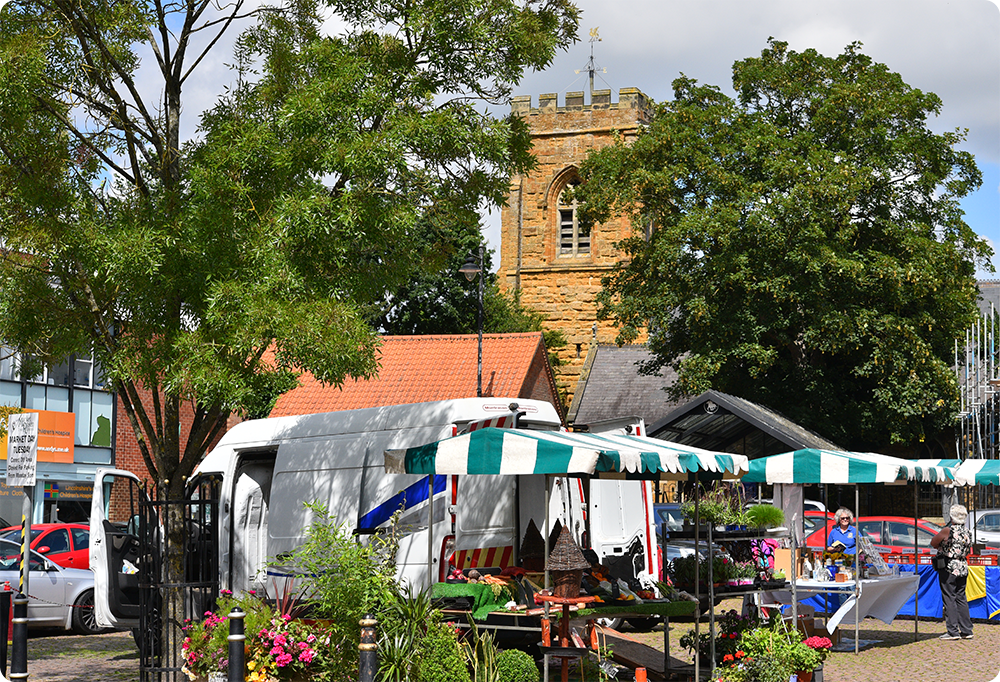
Market Rasen is popular with cyclists as it is on the National Cycle Route. In addition, walkers enjoy the town as it is close to the Viking Way and there are great routes and trails just a five-minute stroll from the town centre. Markets are held in the centre of the town on Tuesdays, Fridays and Saturdays, as well as community events throughout the year. The town is home to almost 50 independent shops and businesses. The town boasts high-quality and award-winning places to eat for all budgets. Last but not least, it is also home to Lincolnshire’s only racecourse.
Newark
Newark is a large, historic market town situated in Nottinghamshire but close to many Lincolnshire villages whose residents access the town for essential services. It is located close to the A1 north-south trunk road and the A46 bypasses the town, one of the reasons it is a popular base for commuters.
Newark offers a regular bus service to Lincoln. In addition to road connections, Newark has plenty of rail connectivity with two train stations: Newark Northgate with the London-Edinburgh East Coast mainline and Newark Castle with connections to Nottingham and Lincoln.
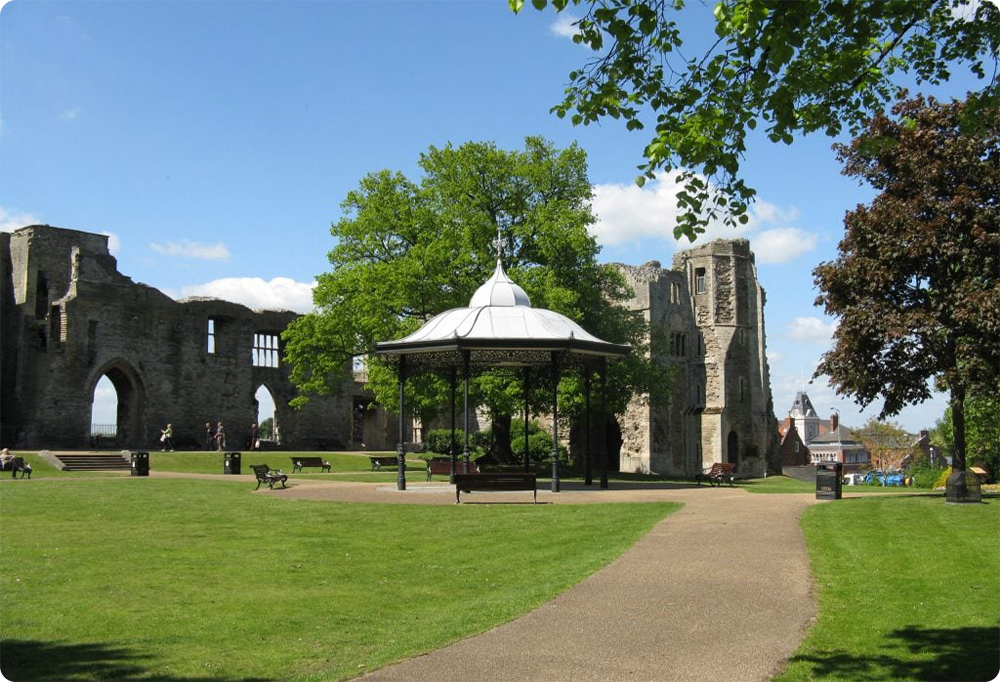
In addition to a wealth of transport options, Newark has a long and interesting history dating back to its inclusion in the Domesday Book. The town, located beside the River Trent, grew around Newark Castle and has a large market place and many historic buildings. The town has established Wednesday and Saturday markets which were established around 1156. The prime industries in Newark in the last hundred years have been the manufacture of clothing, bearings, pumps, agricultural machinery and pine furniture, and the refining of sugar. British Sugar still has one of its sugar beet processing factories to the north of the town.
Skegness
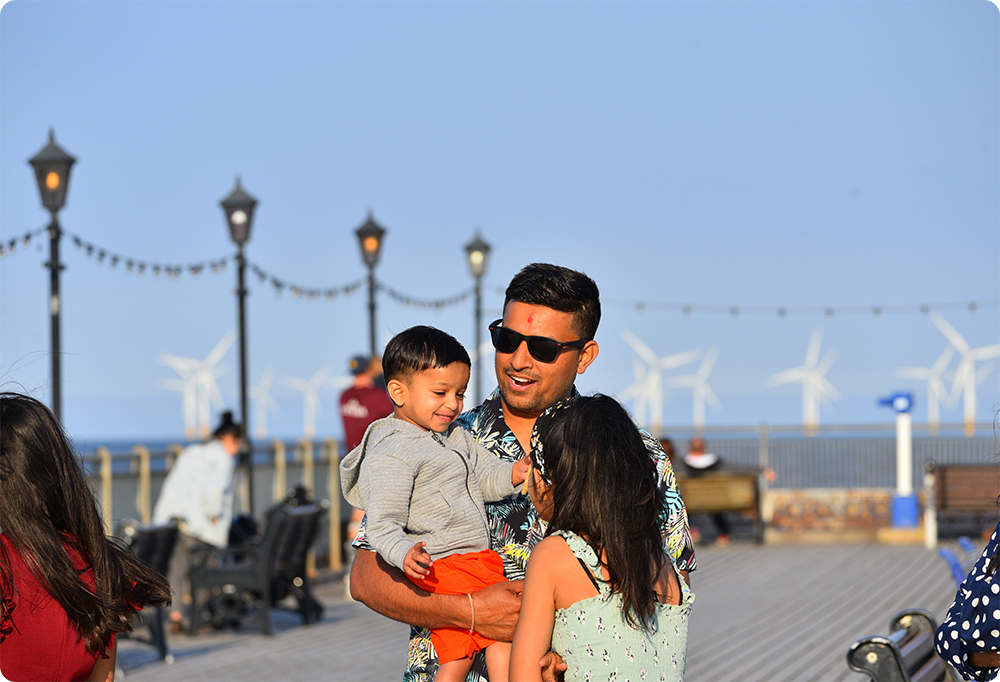
Skegness is a large and very popular seaside town on the East Coast of Lincolnshire. It is easily accessed by road, rail and public transport with a busy train, bus and coach station at the heart of the town which allows thousands of seasonal visitors to flock to its variety of attractions, holiday and theme parks. In addition to its road connections, Skegness boasts good bus and rail connectivity with InterConnect bus routes to Boston, Spilsby, Horncastle, Mablethorpe and Lincoln and the Nottingham-Boston-Skegness Poacher Line serves the resort.
The largest resort on the Lincolnshire coast, Skegness has a rich heritage, first as a fishing port and then after the arrival of rail it became famous for the tag line, “Skegness is so Bracing” with posters featuring the iconic Jolly Fisherman.
In 1936 Butlin’s holiday resort opened in Skegness and it is still one of the UK’s most popular holiday destinations. There is so much to see and do in Skegness for anyone of any age, from the Natureland Seal Sanctuary, the four-mile promenade walk, Gibraltar Point National Nature Reserve and the Embassy Theatre to the Skegness Aquarium. So whether it’s fast-paced entertainment or the natural beauty of England’s coastline, Skegness has it all.
Sleaford
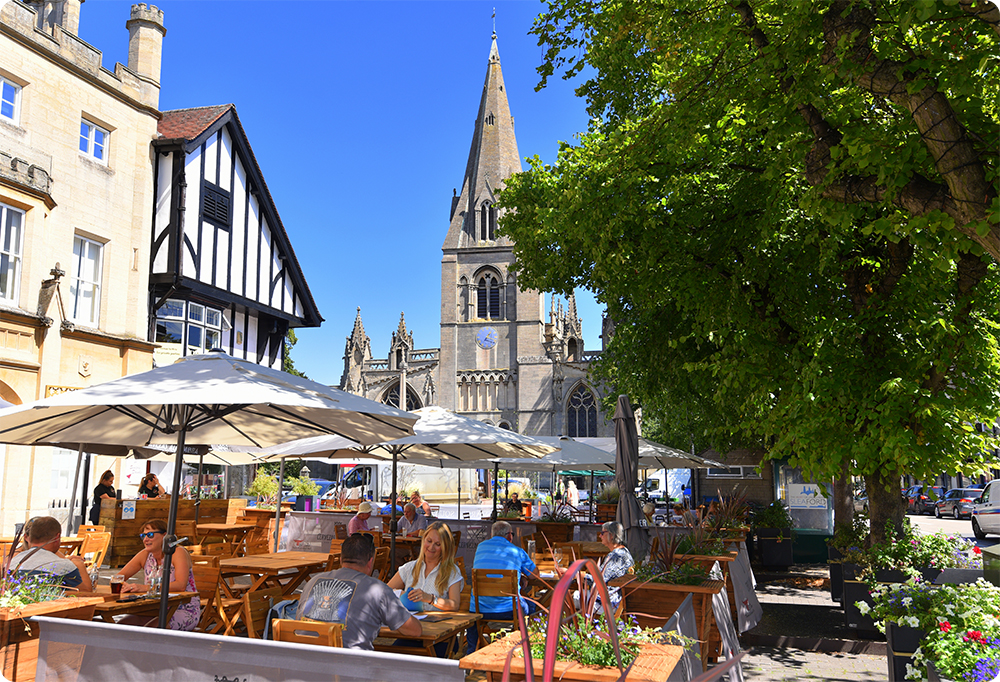
Sleaford is a large and busy market town in Lincolnshire. The town is located close to the A15 and A17, making Sleaford easily accessible by road. In addition to road connections, Sleaford has plenty of rail connectivity with Nottingham-Skegness, known as the Poacher Line, and the Redwing Line between Lincoln and Peterborough running through the town. These transport links offer those living in the area good connectivity to London, Nottingham, Boston, Spalding and many more destinations. In addition to rail connectivity the town is served by local bus services in town and bus routes between Sleaford and Lincoln, and Sleaford and Grantham.
Surrounded by fenland, Sleaford’s skyline is dominated by the 144-foot spire of St Deny’s Church which dates back to the 12th century. No wonder the neighbouring flat fenlands also proved to be the ideal location for RAF stations and the area has a rich aviation history including Cranwell Aviation Heritage Centre. More recently Sleaford has become home to the nationally acclaimed National Centre for Craft & Design with exhibitions from the most innovative, challenging and accomplished artists to new and emerging talent. For historians, Cogglesford Watermill, which dates back to Saxon times, is the only Sherriff’s watermill still in operation in England. The mill lies on the River Slea and millers have produced flour on this site for over 1,000 years.
Spalding
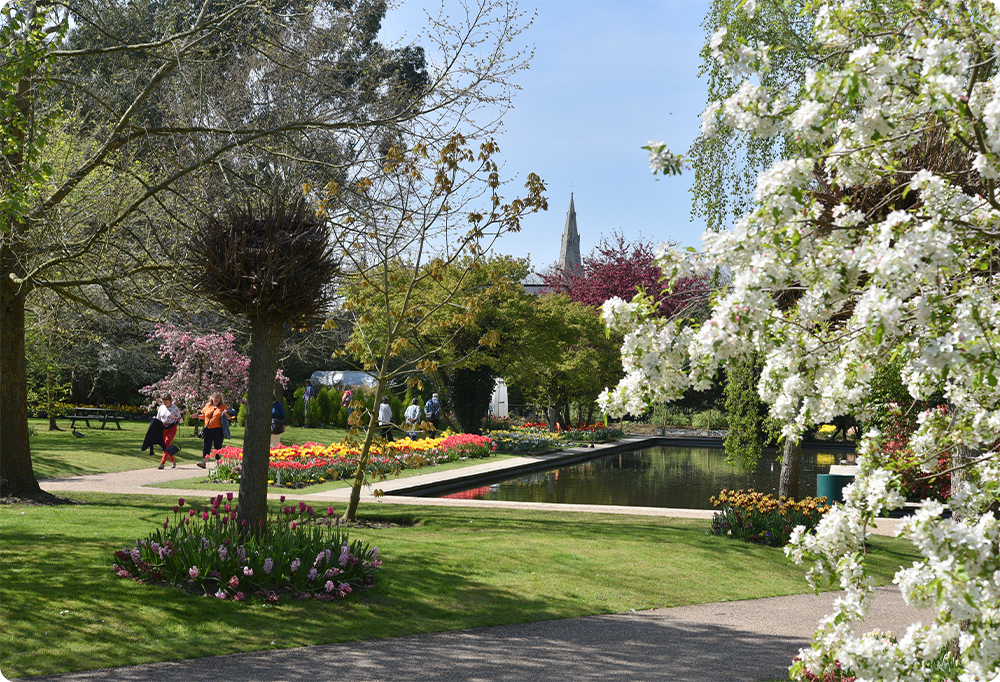
Spalding is a large market town in the South Holland district of Lincolnshire with the River Welland running through the heart of the town. The A16 is located to the east of the town, offering easy road access to Boston, Sleaford, Holbeach, King’s Lynn, Stamford and Peterborough. Bus routes in Spalding provide links to Peterborough and King’s Lynn, additionally, Spalding has rail connectivity via an hourly service southbound to Peterborough and northbound to Sleaford and Lincoln.
Spalding is famous as a centre of bulb agriculture which dates back to Roman times and until very recently held an annual bulb parade. Now it has become locally renowned for a huge pumpkin festival and parade which attracts hundreds of visitors each October. It is also home to many museums celebrating the region’s rich agricultural and engineering heritage including Pinchbeck Engine Museum, Ayscoughfee Hall, and the Gentleman’s Society of Spalding, whose famous members include Sir Isaac Newton and Alexander Pope.
Spilsby
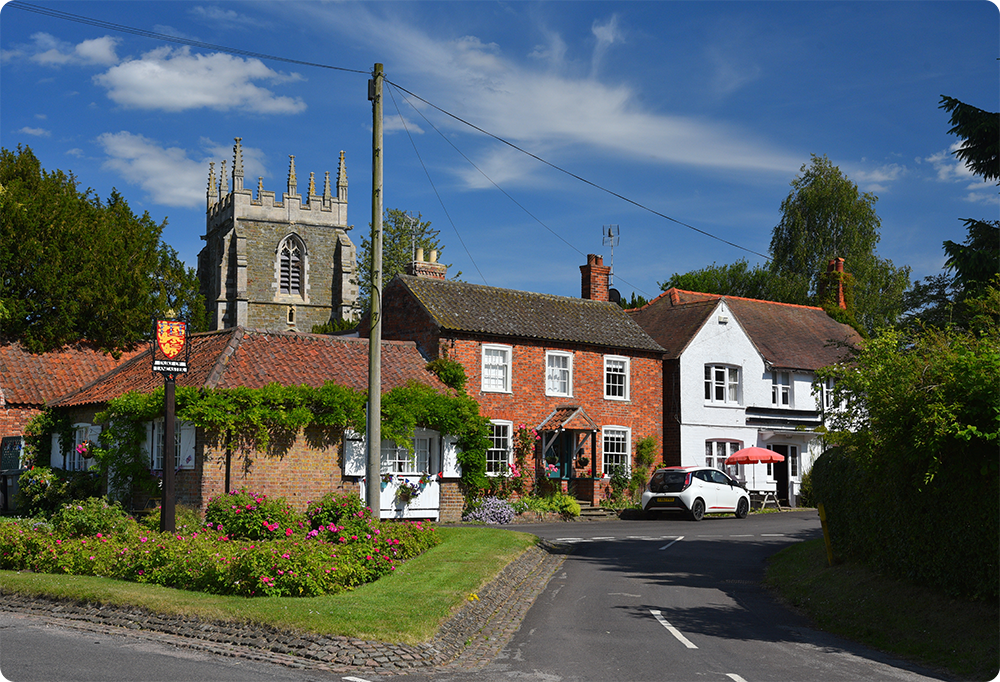
Spilsby is a historic market town in East Lindsey, 17 miles from Boston and 13 miles from Skegness, with easy access to the A16. Although Spilsby doesn’t have its own rail links, it has good connectivity to rail connections at Wainfleet, Skegness and Boston. A regular bus service provides journeys to and connections at Horncastle, Skegness, Wragby and Lincoln.
A rural market town for more than 700 years – and still enjoying its market each Monday – Spilsby lies at the southern edge of the Lincolnshire Wolds and is surrounded by scenic walks, nature reserves and interesting places to visit. These include Gunby Hall, Bolingbroke Castle, Snipe Dales Country Park and the Lincolnshire Aviation Heritage Centre. Spilsby is also the birthplace of legendary Royal Navy officer and Arctic explorer Sir John Franklin (1786–1847) who disappeared during his last expedition attempting to chart and navigate the Northwest Passage in the North American Arctic. A statue commemorating his life and achievements stands in the Market Place.
Bolingbroke Castle, now a national monument, was excavated in the 1960s and 1970s. It was maintained by English Heritage up until 1995 when Heritage Lincolnshire took over and most of its lower walls are still visible, as are the ground floors of the towers.
Stamford
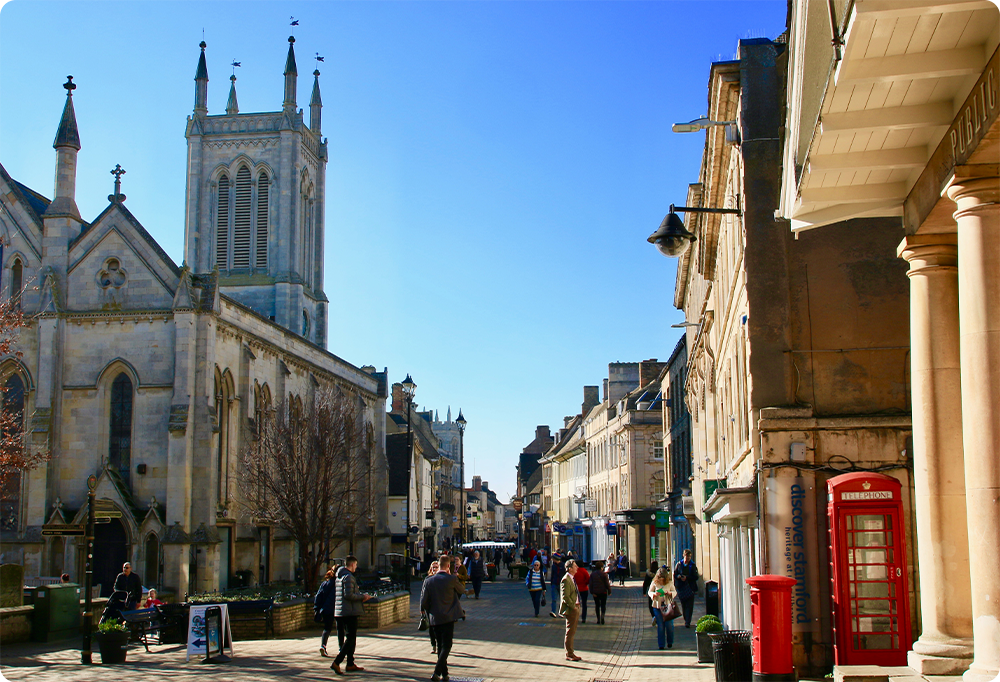
Stamford is a large town located at the southernmost point in Lincolnshire and has borders with three other counties. It is located close to the A1 north-south trunk road and the A43 runs from the town centre to Northampton and Oxfordshire. Due to its location Stamford is well served by regular bus services to the neighbouring county of Rutland, The Deeping, Peterborough, Bourne and Spalding. In addition to road connections, Stamford has a historic railway station, the design of which was influenced by the nearby stately home, Burghley House; departures are available to Oakham, Leicester, Birmingham, Peterborough and Cambridge. The wealth of transport solutions and links offer those living in the area fantastic connectivity to many exciting UK destinations.
In addition to a wealth of transport options, Stamford has a rich and proud history dating back to its inclusion in the Domesday Book. It is home to the grand 16th century Burghley House which was built for and still lived in by the Cecil family. The listed grade 2 park was designed by Capability Brown and today hosts numerous events but most notably the annual Burghley Horse Trails. Stamford is a beautiful and vibrant town and has been used on many occasions as a key location for film and TV productions, which may be one of the reasons many famous actors, writers, musicians and artists come from the area.
Woodhall Spa
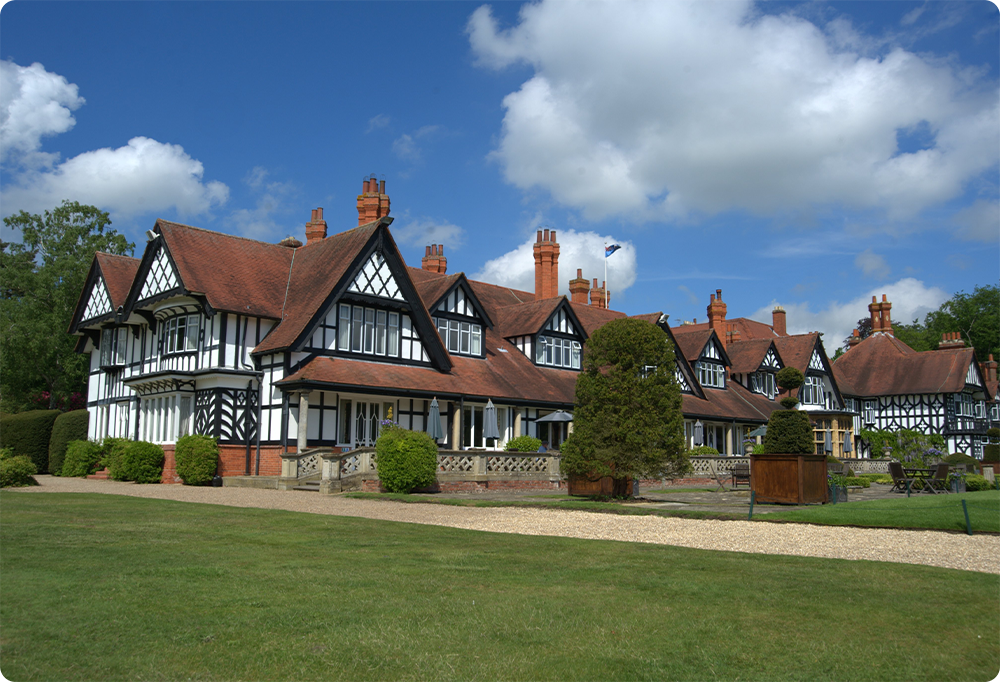
Woodhall Spa is often described as the most beautiful village in Lincolnshire and along with its neighbouring village, Coningsby, is located in one of the most peaceful areas of the county.
Local bus services provide frequent connections between Lincoln, Boston, and Horncastle, providing further connections to Skegness. The nearest railway station is at Metheringham with routes to Lincoln and Sleaford. Woodhall Spa and Coningsby were among the first Lincolnshire villages to have a dedicated on-demand bus service to improve connections to other bus and rail services.
Woodhall Spa, Coningsby and the surrounding area have a rich and proud aviation history. Woodhall Spa is the home of the famous 617 Dambusters Squadron and memorabilia from the squadron is on display in the Dambusters Bar, and just up the road at Coningsby is the Battle of Britain Memorial Flight Visitor Centre, home to the only fully operational Lancaster Bomber in the country. Every year Woodhall Spa plays host to one of the country’s biggest 1940s weekends. Nearby, Tattershall village is surrounded by miles of open countryside and boasts the dramatic architecture of Tattershall Castle, an impressive and rare red brick castle.